No worries.
There was a long silence here too.
About the icon, are you very attached to the bg color?
I was wondering if that was not a bit too flashy.
What do you think?
You’re absolutely right! I used to do a lot of log trawling with awk in the bad old days. I actually like logs. Structured data. Unlike most of my code  I also like the rawfish icon just as it is

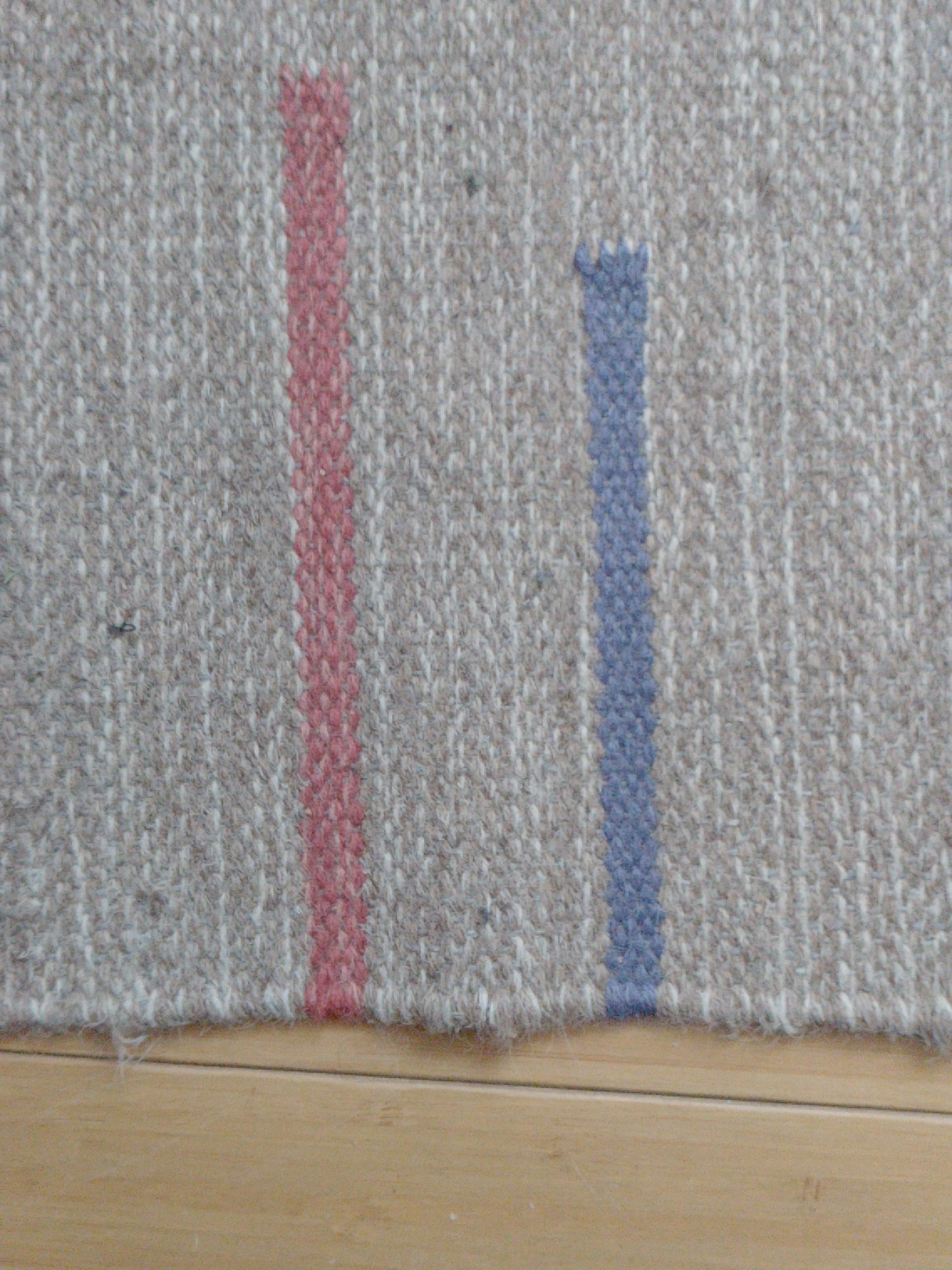
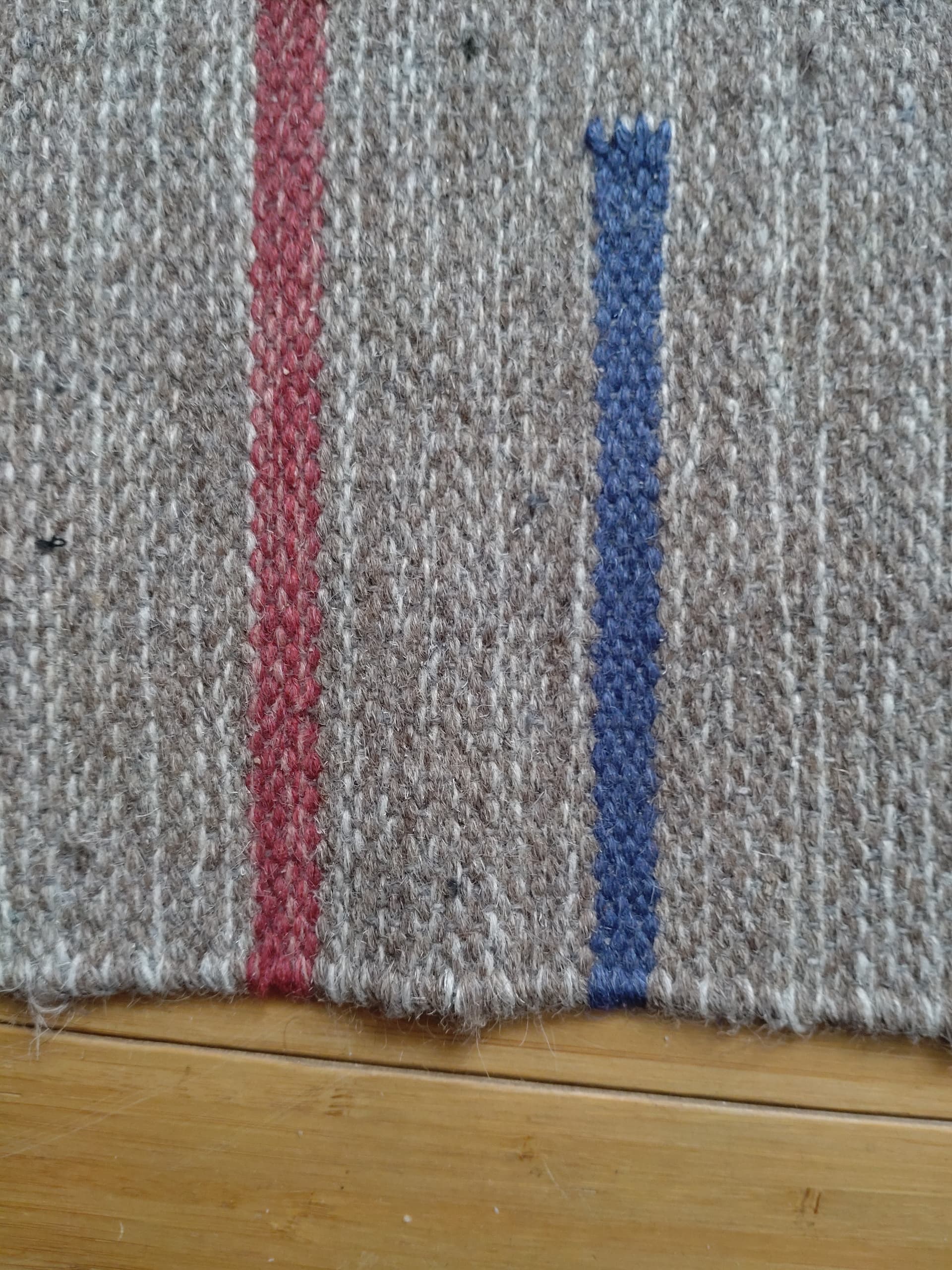
It works, but the photos don’t look as good as the jolla camera. Color saturation, focus. Not sure where to go with it at the moment.
Hm, hard to debug with no device on hand…
Would you mind to post some pics, here or by PM?
Is there a visual difference between these pics, Jolla Cam and ProCam ones?
Also, if you like, the log is always welcome.
Thanks,
Both are JPG, right? (not DNG developped in the pc or in Imago)
There must be instructions to give to the HAL regarding contrast, sat, etc…
I really need an 10III or I will harass you forever, asking for logs, generated-hal.json and pics 
And RAW, do they work?
The Jolla only does JPEG and rawfish was set to default JPG. I’m not sure what I’d do with the raw images You mean the dng files?
A histogram of the jpeg shows all the input values skewed to the light end. The Jolla jpeg has centered values.
Haha, just to find how to make it work correctly.
Yes, but measurements seen in the log in the mean time seems to show they are black.
Yeah, definitely, I need to borrow a 10III!
I’m actually working on a round shaped icon, like the browser one, with full size sushi.
So, seems hard to get a really satisfying stock denoising method out of the HAL/ISP/sensor.
(see replied-to message and links in it)
I’m trying methods that we can see below.
I’m from far not a post-processing specialist, so help is welcome.
First column shows what we have now in Jolla Camera, Advanced Camera and RAWfish
Second column shows what we get when we disable the stock denoising and apply sharpness (RAWfish)
Following columns show what we can get with a bilateral filter in one and several mixed takes, with different levels of sharpening.
Please download the picture and zoom in it to see the differences.
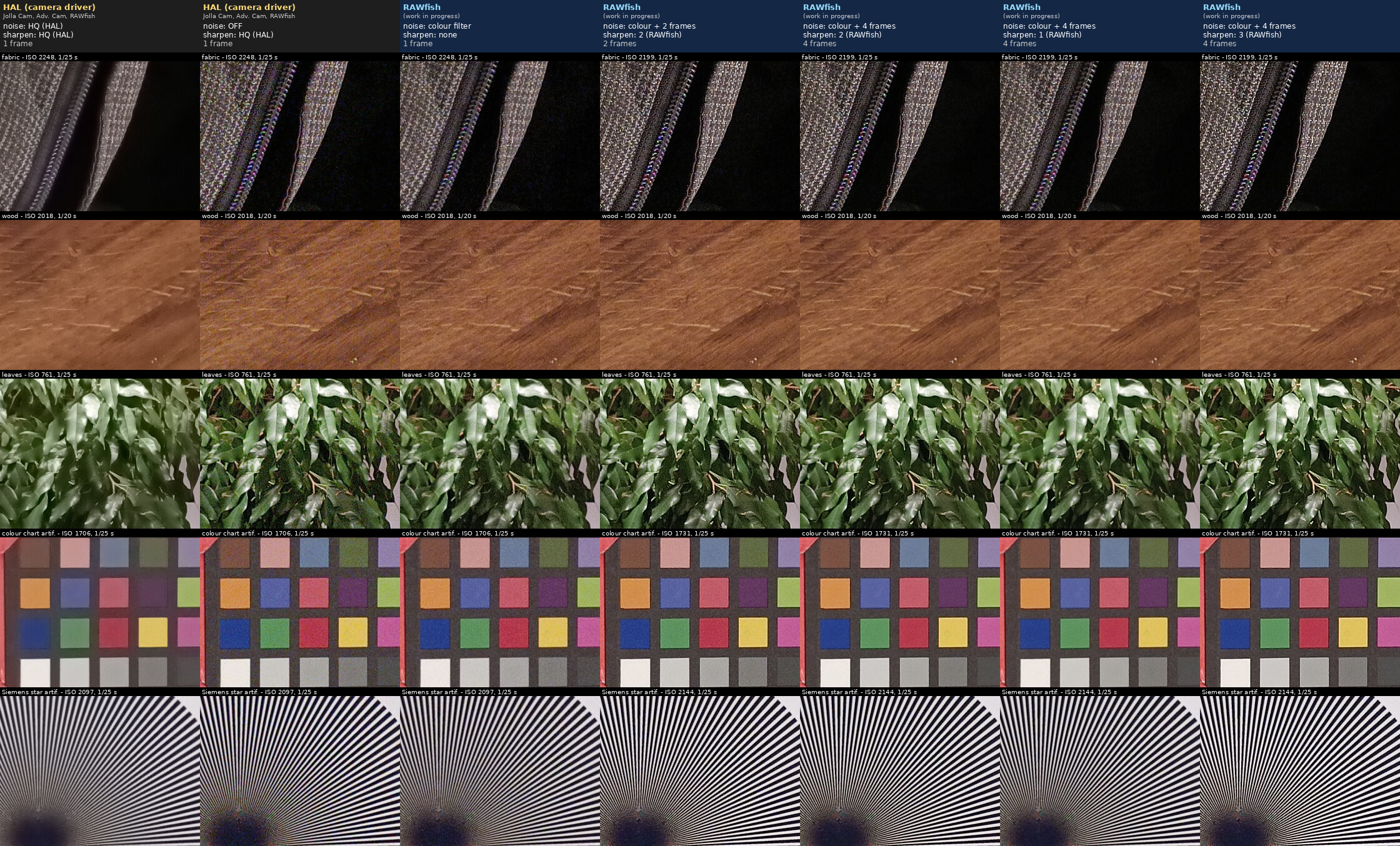
I like to stay simple, 1 take (3rd column) , with a little more sharpening, perhaps. Still a trade off, but smaller.
Mixing more takes can become complicated with fast moves/action. A bit of a bigger machinery perhaps.
And taking pics should stay quick, if possible.
What do you think?
What’s up with the rainbow colours on the zip btw? The Stock camera image does not appear to have it but all other pictures do.
I have no idea about it all but would it be possible to have a look at the denoising tools of darktable, which is open source and GPLv3 and transfer it to rawfish as an inbuilt denoising tool in some form of postprocess?
Yes, true. The first image doesn’t show it because it destroys many details. It is suppressed by the huge denoising. But IMO not worth if we look at the leaves ans diluted wood and chart.
I believe it is a coloured moiré belonging to the early image.
We could apply a filter spotting bigger colored dots, but perhaps real far away garlands, glitters, etc, could be deleted too.
Here, we see a strong crop, but in the general picture, it is not really visible, though.
Where are you located? I might be able to help out.
Oh, thanks! I’ll send you a message.
Yes please! (20 characters)
@ric9k
Btw, do you have some reference colomn of those images above, how it should look like, something closest to reality maybe? I am really not sure if some of the noise is actually a faithful representation of reality or not, especially in the colour grid.
Hmm I’m not sure to understand your question very well.
All digital cameras have noise.
So, noise is always a flaw in the representation of the reality. (but can serve visual/artistic purposes, as grain did)
There are several ways to reduce it.
The default “in device” one is not the ideal.
Reducing it means finding the good time/computing_weight/visual_result trade-off.
And We should not forget older devices, with lower capabilities.
Back to your question.
A good reference would be the last or second-to-last column, in my taste.
Sure, all cameras have noise, but where do you have those images from? I thought you took some off the shelf test images and applied those anti-noise/sharpening algorithms. Is there some reference somewhere for those test images? Or do we just not know how it actually should look like (ie how the reality looked like at in somewhat neutral light)
EDIT: I had a look at some iPhone 18 Pro review. The colour grid there does has a bit of structure but I guess, the image should be relatively low noise in an ideal case to be close to reality. I don’t say we have to get there, it is just for me to understand where we stand relative to an ideal camera result.
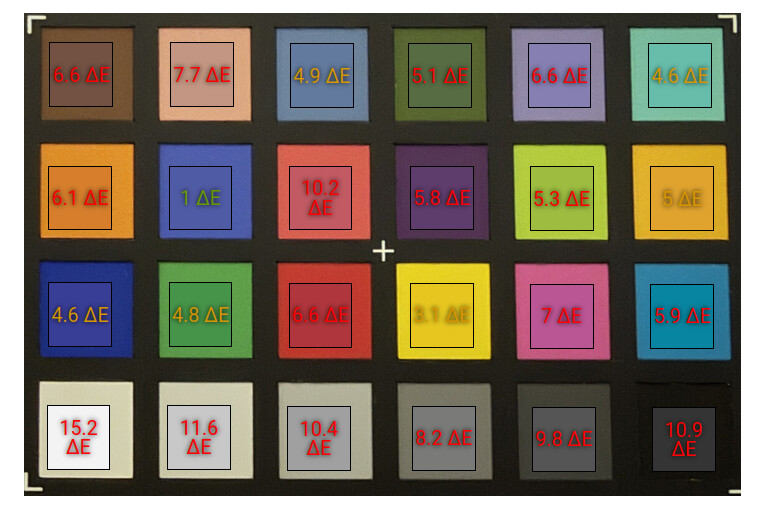
The pic were all taken with the RAWfish engine in command line. (The UI is just an UI, whish uses the engine)
The two first columns are JPGs directly from the HAL with it’s own noise reduction and sharpening, which we don’t like. (used by Jolla Cam, Advanced Cam and RAWfish with QH noise mode)
The 5 following ones are from the YUV stream with the driver’s noise reduction and sharpening switched off.
These 5 column are different experimentation where we’re testing different noise reduction methods and sharpening levels.
The exposure and rendering of the chart in terms of colours is not important here. It is just a support to observe the noise/noise reduction.
The goal is to find an efficient way to do better than stock, while staying lightweight and quick = find where the trade-off becomes acceptable.
So, the reality has no noise.
The sensor’s reality has plenty.
We navigate in all this, searching for this calm and few noisy ideal island.