On June 12, 1550, the Swedish King Gustav I Vasa signed a decree establishing a new trading city on the northern shore of the Gulf of Finland—Helsinki, known today throughout the world as Helsinki.
The king set an ambitious goal: to create a city on the Baltic Sea to rival the prosperous Hanseatic city of Reval (now Tallinn), through which the main flows of trade between West and East passed. However, this plan was only partially realized. For the first two centuries, Helsinki remained a backwater fishing town without a harbor capable of handling large ships and was never able to displace Reval in Baltic trade.
Its true rise came much later: in 1812, Russian Emperor Alexander I declared Helsinki the capital of the Grand Duchy of Finland—it was then that the city began to grow rapidly.
Today, it is the world’s northernmost capital with a population of over one million.
I hope no offence taken, but I’d like to extend a bit and make a couple of small corrections.
Let’s go back to the beginning.
There were many settlers coming from Sweden’s western parts to find a living in the eastern parts about during years 1000-1300. These settlers landed in numbers around nowadays Helsinki and the whole province is still today called “Newland”, in Swedish Nyland, Finnish Uusimaa.
Note that they did not settle into Finland, because “Finland” was a province where Åbo (Turku) is located. They just moved inside the same country from west to east.
Many of the new settlers came from province Hälsingland and therefore giving name for a small town “Helsinge”. A medieval stone church was built around 1450 into town and the place became so important that it gave the name to the river flowing by “Helsingeån” - “Helsinge-river”. The village is quite pictoresque visit still today - although almost strangled by motorways and the growing city.
When Swedish King Gustav I then established the city of Helsingfors 1550 by the rapids of Helsinge - he took the name of the river and added Swedish word rapids “fors” to it and got a new name for the established city of Helsingfors (quite a small town actually then but anyway).
Nowadays Helsingeån is renamed to Finnish Vantaa or Swedish Vanda, which derives from the upper end of the river where a village of Vantaa resides/resided (if I’ve gotten that correct).
In the mean time, somewhere around the establishment of Helsingfors - started everybody call the eastern provinces of Sweden with a unified name “Finland” - well, because most of travel between east and west provinces were by sea between Stockholm and Åbo (the two biggest cities in the whole country), so you travelled to province “Finland”. The definition then extended quite a bit.. (Helsingfors was still a little town/city at this time). The old province of Finland is still today called “Finland Proper”, well, the name self explanatory. If you travel between provinces in Finland, pay attention to the coat of arms of Finland Proper. You might get surprised
Helsingfors started to grow faster during the the start of 1800-1900 when it was declared as the capital city of Grand Duchy of Finland.
During 1890 started the city get more and more Finnish speakers as the growth demanded new work force.
Finnish speakers started to call the city Helsinki by 1890.
So it took about 340 years before the Swedish speaking city started slowly become more and more Finnish speaking.
Swedish might not become visible at first to a visitor, but the language is still today alive and well - with a lively culture and it’s own institutions.
Welcome to Helsinki/Helsingfors 8th of July!
Välkommen till Helsingfors 8. Juli!
(OK, if the whole capital region is considered, with the mentioned other municipalities that pre-date Helsinki included, then the total sum goes to over one million)
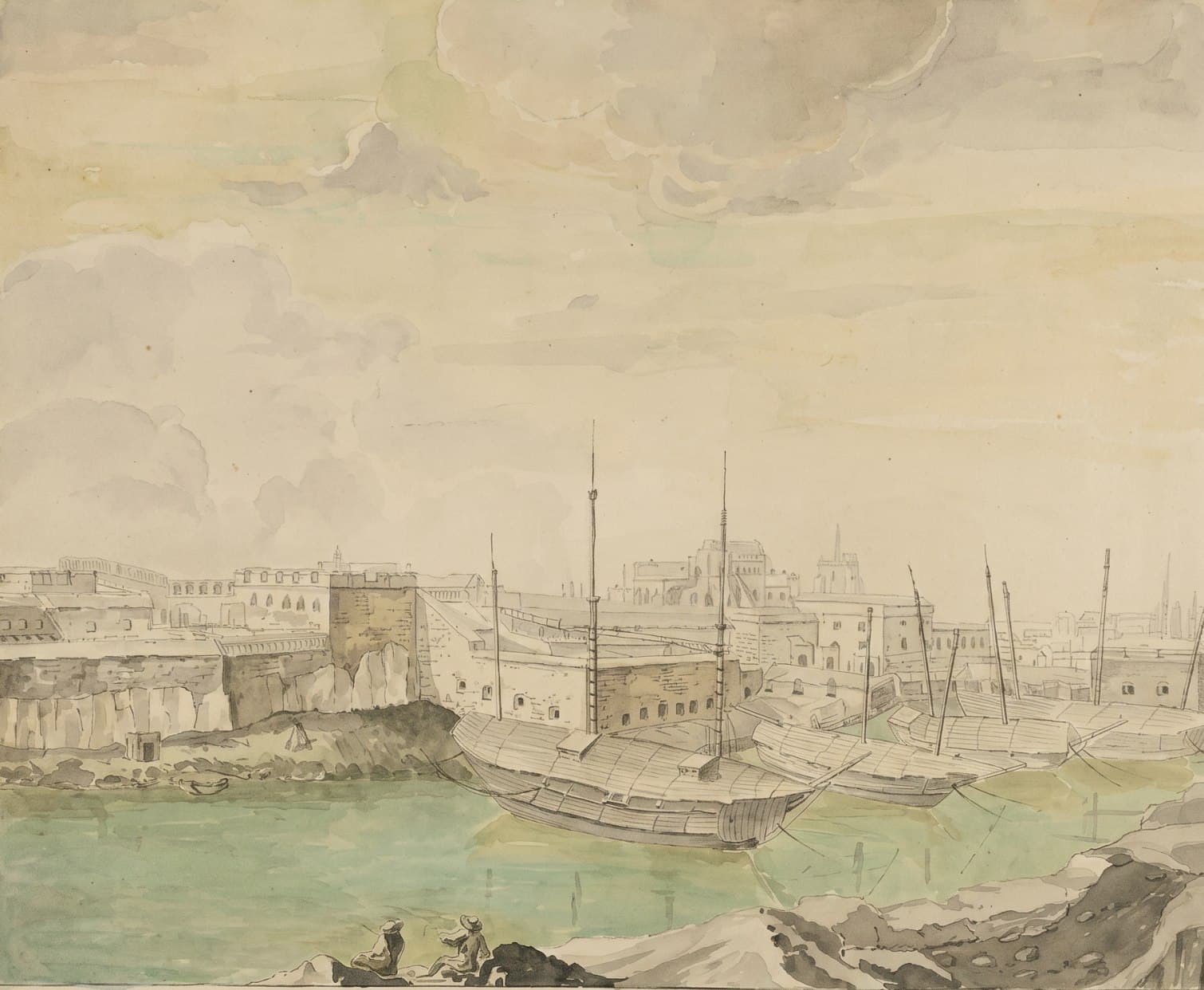
 Let’s go back to the beginning.
 from west to east.
 A medieval stone church was built around 1450 into town and the place became so important that it gave the name to the river flowing by “Helsingeån” - “Helsinge-river”.
 The village is quite pictoresque visit still today - although almost strangled by motorways and the growing city.
 Swedish King Gustav I then established the city of Helsingfors 1550 by the rapids of Helsinge - he took the name of the river and added Swedish word rapids “fors” to it and got a new name for the established city of Helsingfors (quite a small town actually then but anyway).