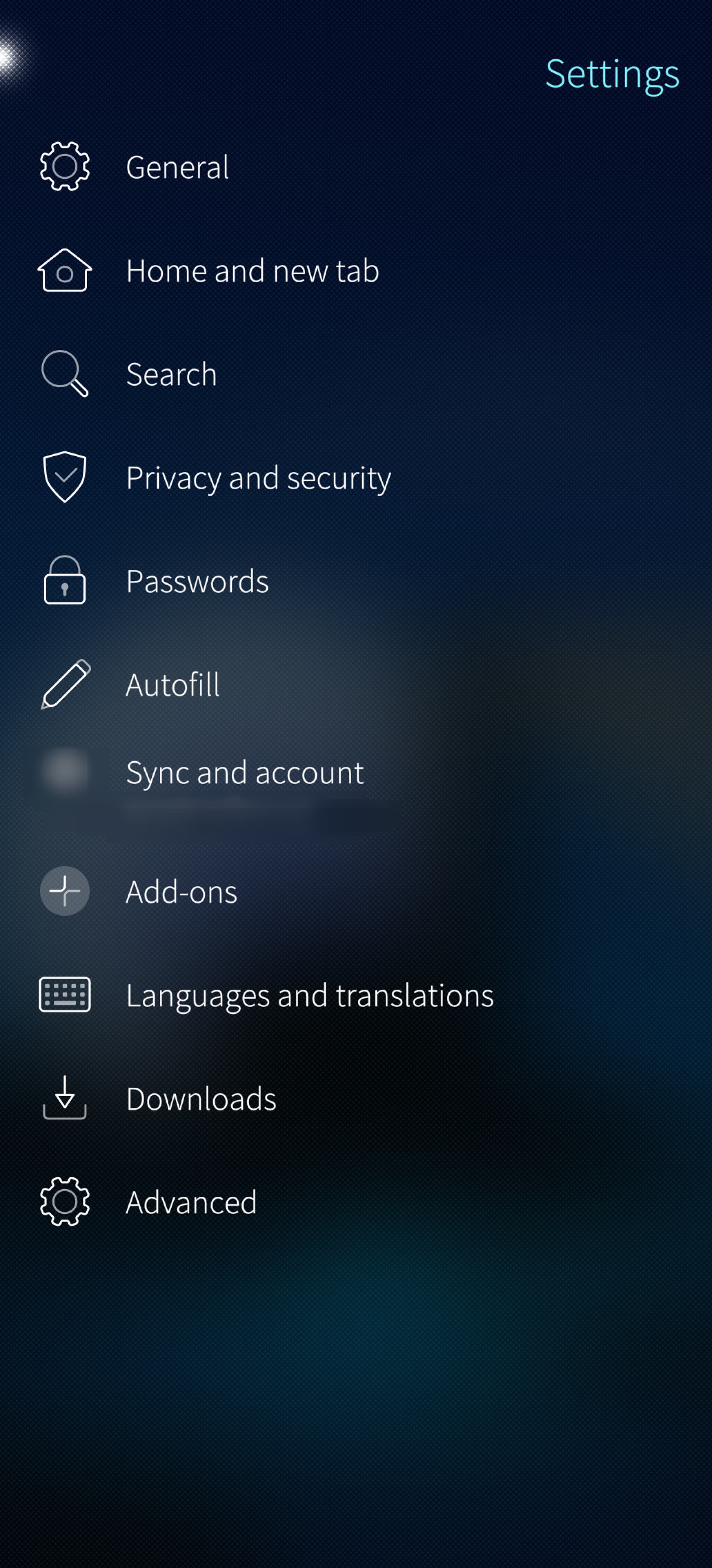
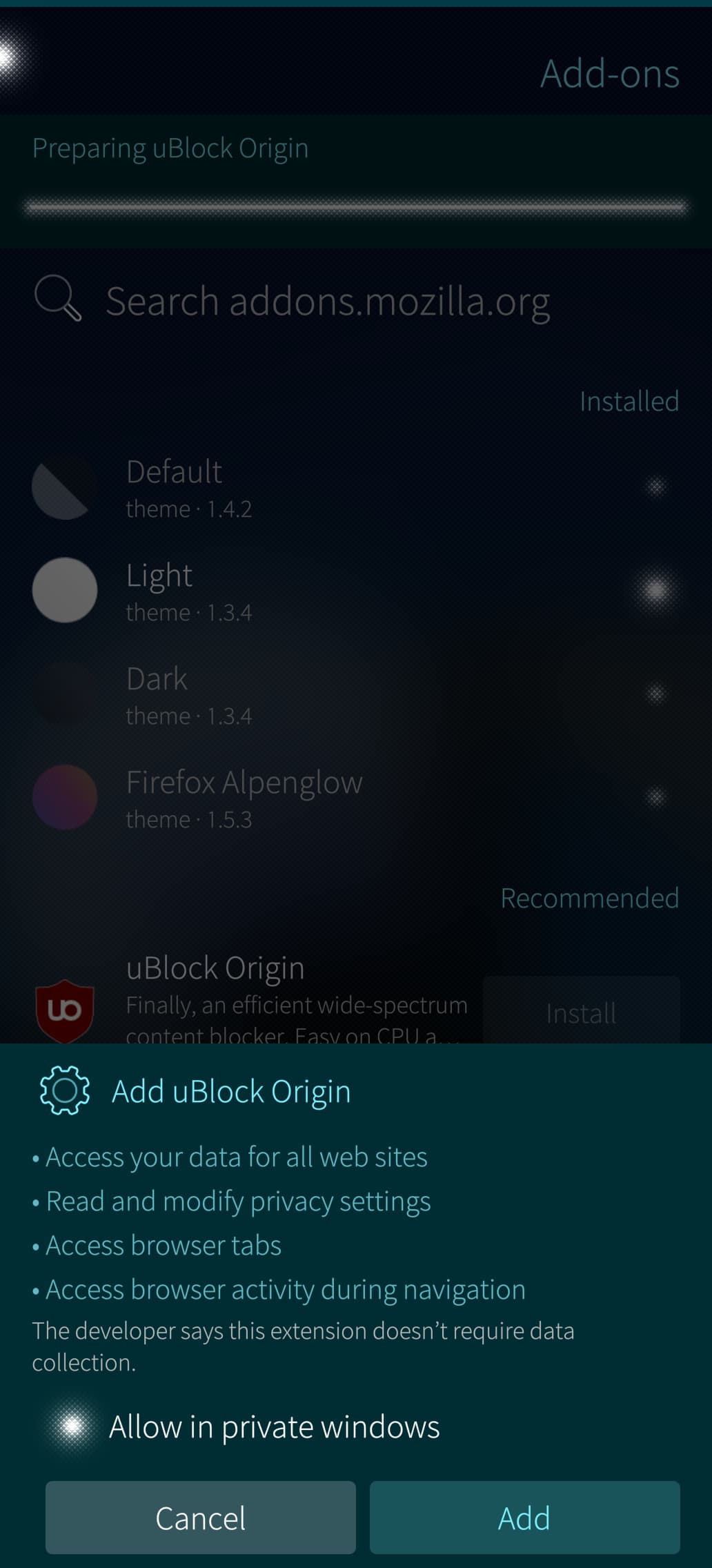
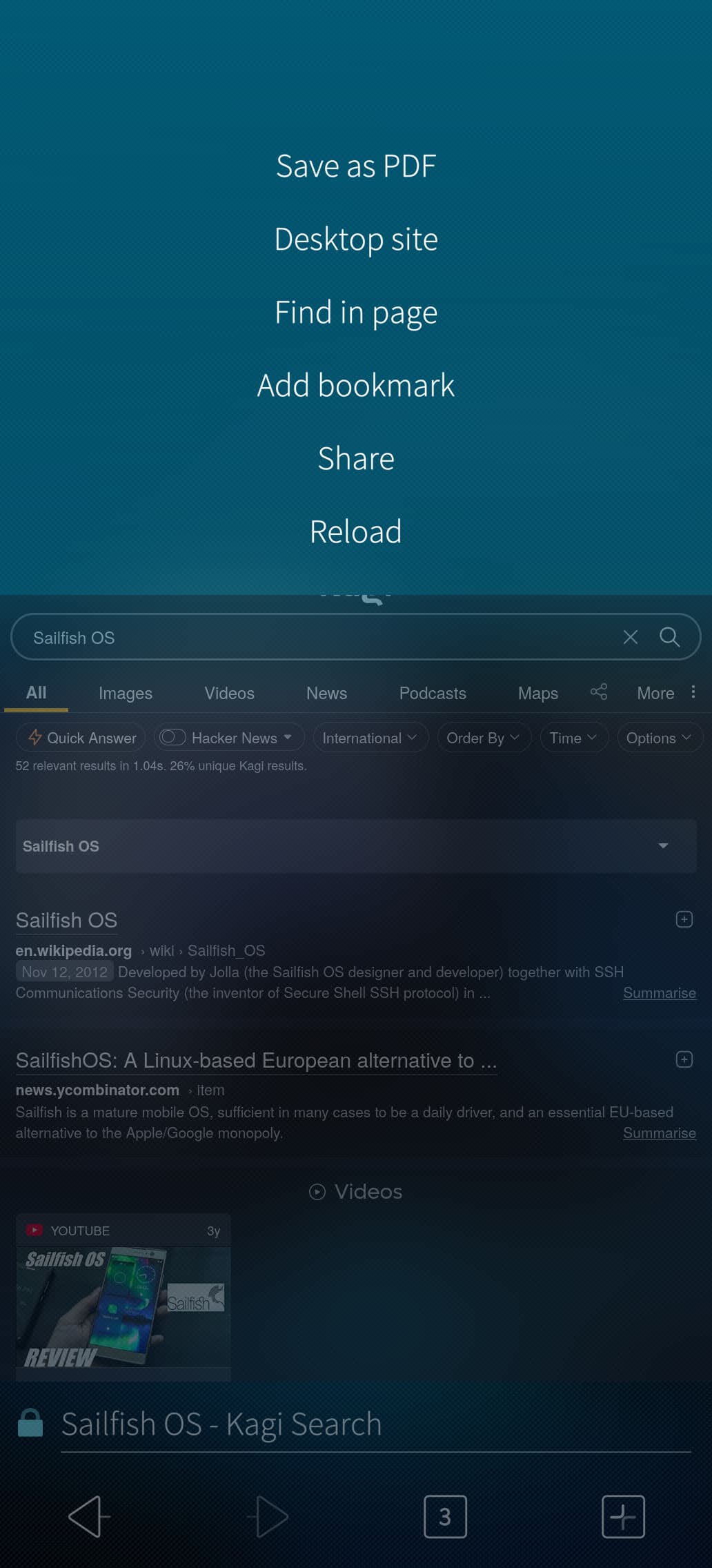
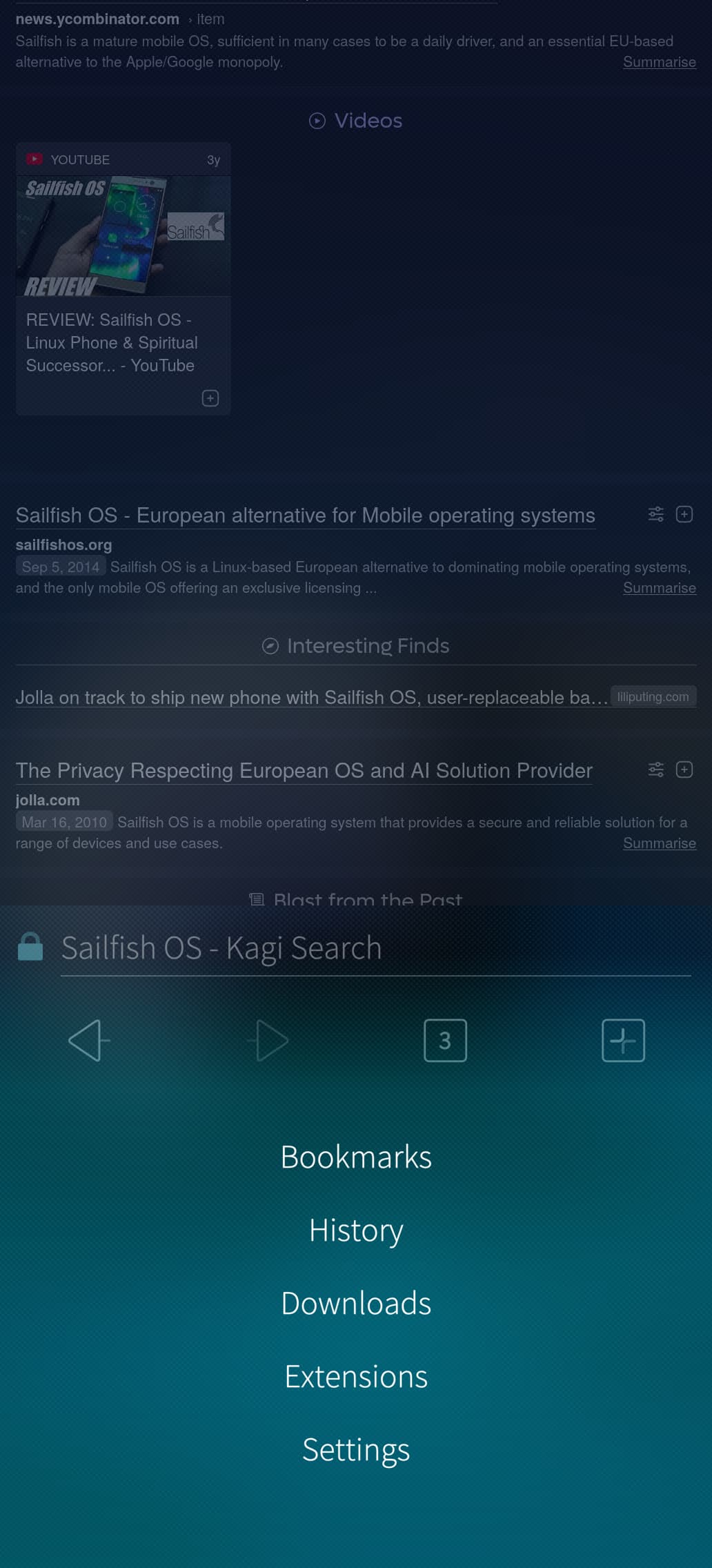
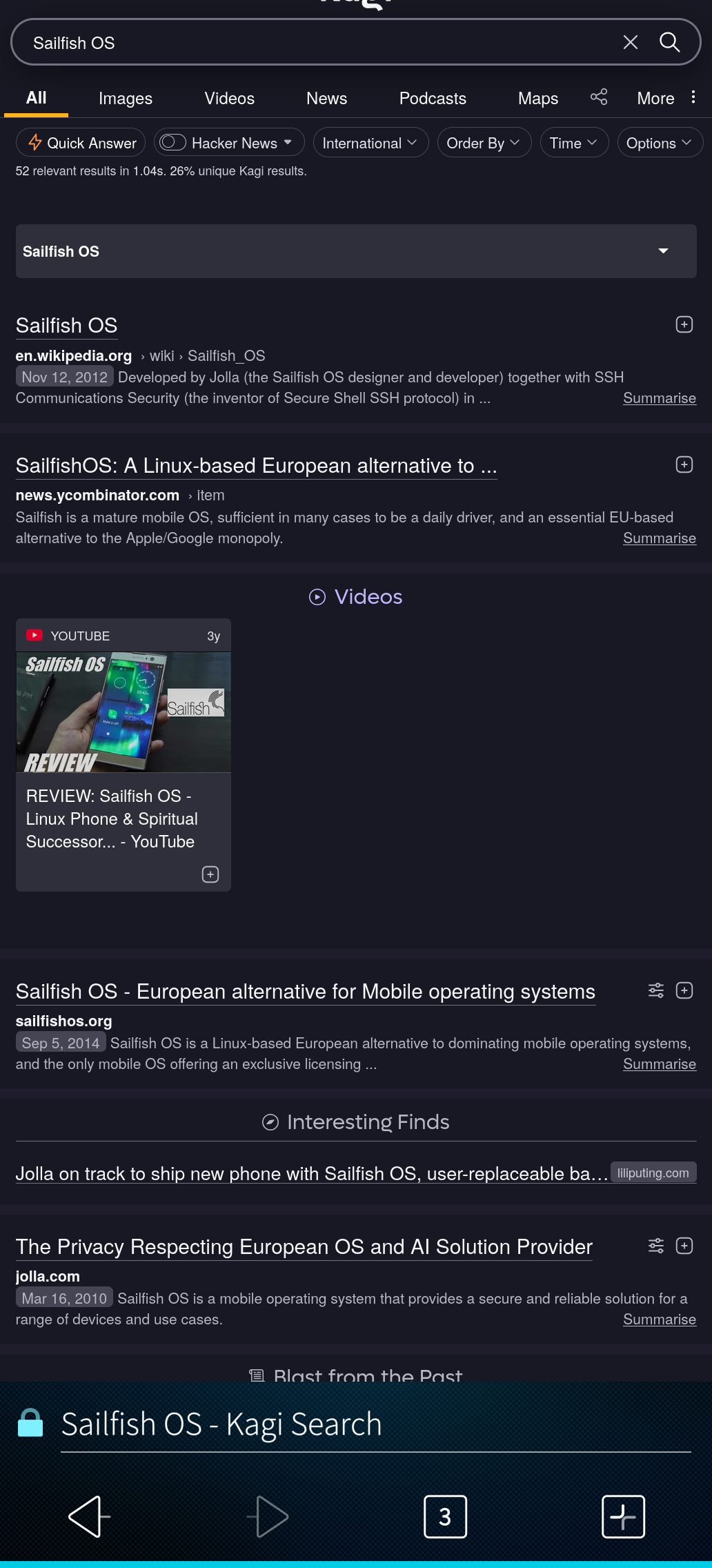
I have always been following the progress of browser development closely. It is crazily impressive work that flypig/Branson (if I missed somebody, sorry! My memory is terrible) is doing to support later versions by creating their own wrapper after gtkmozembed was dropped.
However, I decided to cheat in a different way, and it kind of worked. I just want to show it as well.
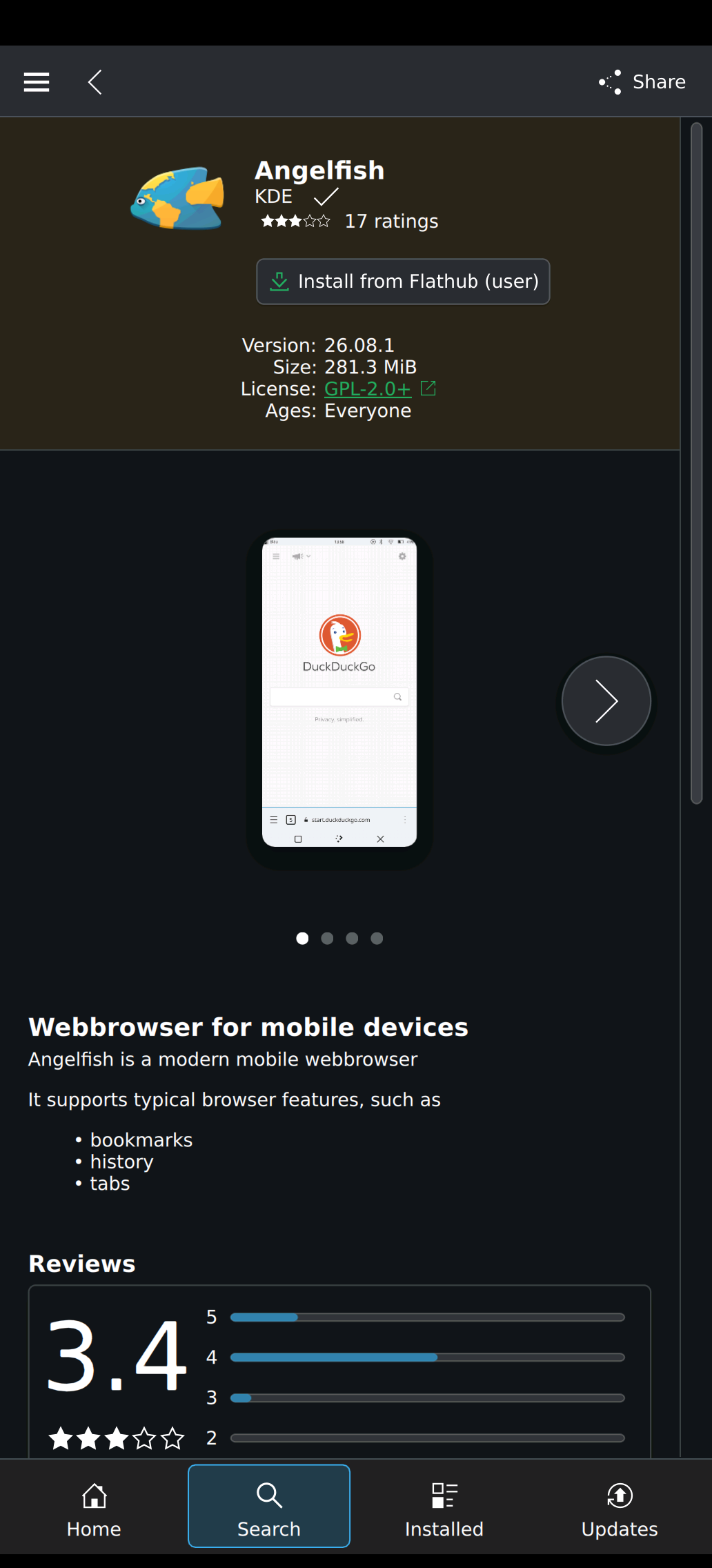
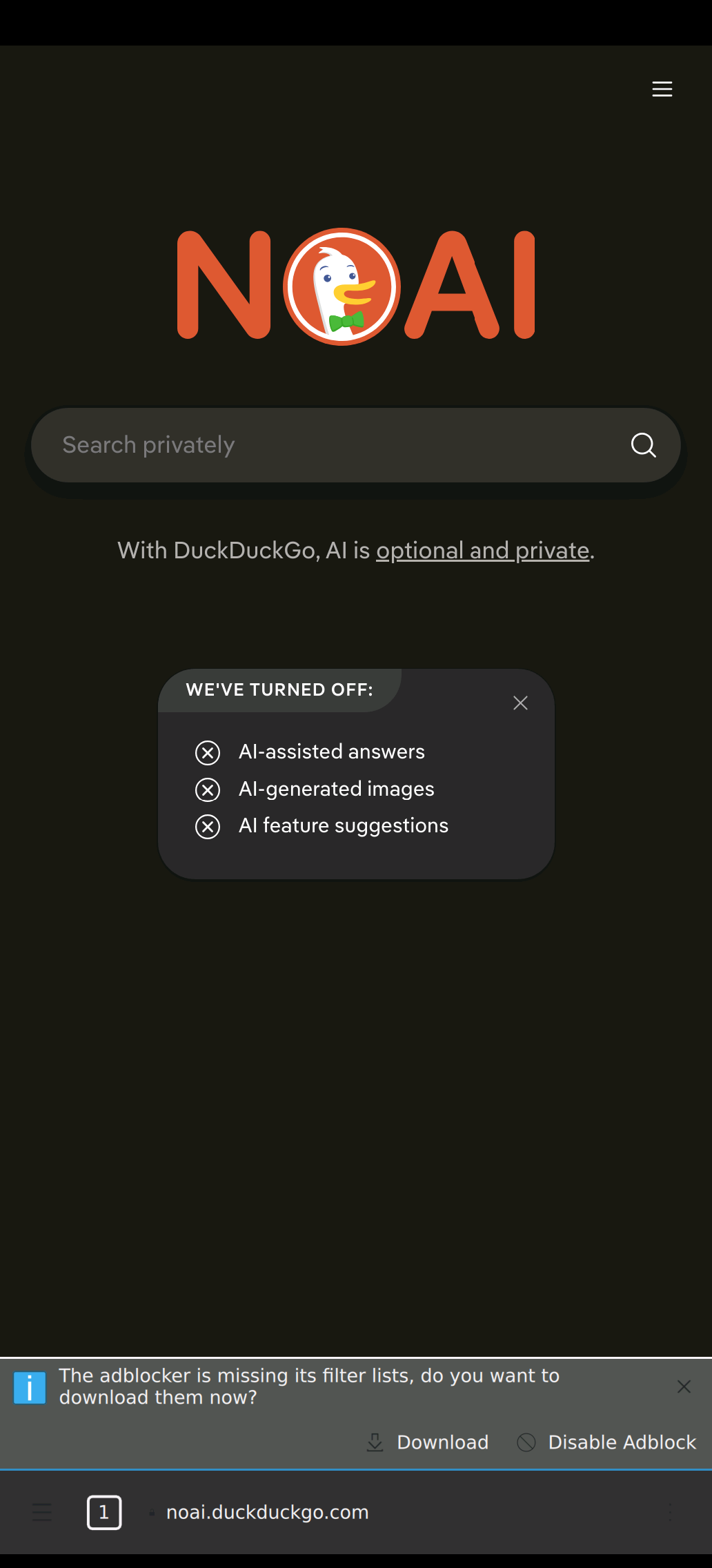
I brought Flatpak support back to my Jolla Phone, and with Flatpak, most of the nasty dependencies can be handled by it. Then I wrap the Wayland window of Gecko in a Silica UI, and here we are.
I am not sure how to release it (when it is ready; now it is still buggy). Personally, I also ported Discover (from Plasma Mobile) and use it as a local app store, but a fourth app store seems very strange.
Another reason for bringing Flatpak back is that I think, with Flatpak distribution, we will automatically have a kind of SOTA-level permission management on JP, instead of just allowing and disallowing a large list, and can benefit from the entire Linux community (except for Canonical and whatever they elevated minds decides to do).
It will still need quite some work before I think it can be responsibly released to the public. I guess maybe winter holiday (my day job is killing me at the moment).
Compiler and emulation setup almost entirely, also some test cases to prevent me breaking things. Then firefox is basically a silica UI wrapped around the official firefox. I should reexamine the code about sync and autofill line by line (I heard that llm are much better in cybersecurity nowadays than human, so maybe I will use it as well when I re-examine) before releasing but it will happen when I have time…
Thanks for interest. Flatpak is the major part I will work on indeed. The firefox is working just fine now (as it is just a wrapper around official firefox).
Following is just some update not directly related to your reply:
For flatpak, now the most apps from KDE plasma mobile’s works, but many (most) other apps have large or small problems, especially when it comes to GPU drivers (as JP is still a libhybris phone and GPU driver is android version and adds a lot more “fun” to it when it comes to sandbox).
Also official flatpak itself is not fully prepared for mobile use at the moment, such as camera does not have standalone portal and you have only one switch for all device access. I am writing some portals so that we can have a android like premission pop up.
I don’t want to sound whiny, but JP being still libhybris is really a disappointment. With the price (comparing to android phone) I thought they managed to get real customized hardware instead of another android phone…
This creates a lot of problem if we want both GPU and sandboxing, or I have to create a fork instead of port of flatpak…
Maybe I misunderstood you, but have you read my second sentence? It is not like Jolla is giving JP for free, and they paid for driver anyway, just like you said.
You have very unrealistic expectations. Look at how much fully android firmware free hardware with mainline Linux Kernel costs and what it delivers at that price. With the team Jolla had at that point that would have been a certain way to bankruptcy, before or after delivering a product that would have been a tough sell even in this very niche.
I am very happy with a compromise that uses existing hardware so that we can have really daily driveable OS alternative to the US duopoly rather than a castle in the clouds that is totally unrestrained also in its hardware.
Again? Not sure about the tablet, but otherwise it has never been hybris-less on anything official.
I’m also pretty sure that running Android drivers is a prerequisite for e.g. AAS BT.