Hey all!
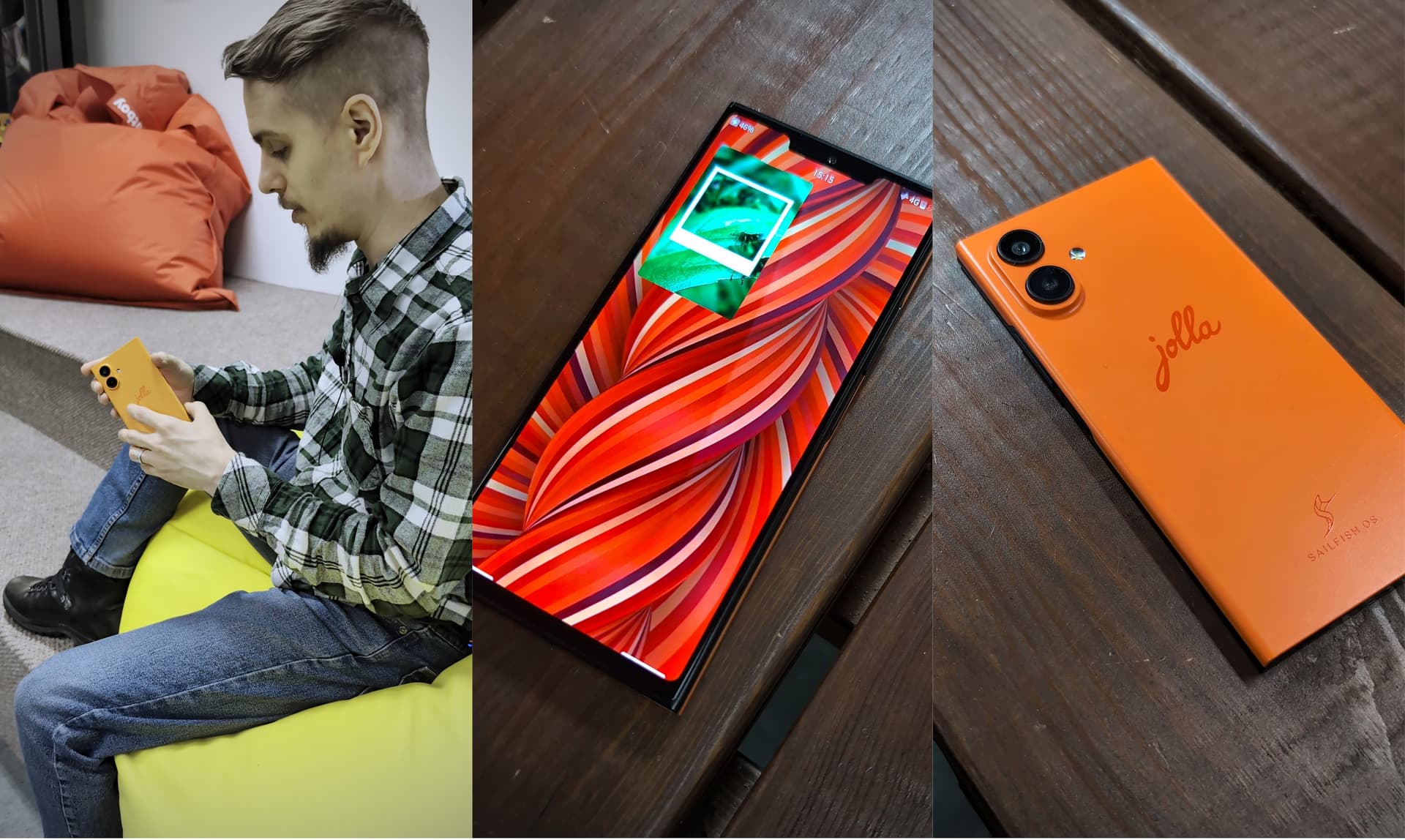
I was lucky enough to be invited to the Jolla office in Tampere, get a tour of the space, take a look at some functional CNC samples of the new Jolla Phone (or as we all call it, the J2), and help with recording some videos that should hopefully be used for marketing 
This is my short first impressions of the device in written form, though in a bit more depth than what I covered in some videos I recorded for Jolla.
I want to seriously emphasize, this is not even a pre-production unit. Things can literally only get better from here. See “Tolerances” section. Anyways…
Most of the photos are taken from stills of video I took and not in S-tier lighting conditions so…ya know don’t look a gift horse in the mouth. Doing what I can here 
Disclaimer: I wasn’t paid to make any content or go up to Tampere (I live in Helsinki). At the end of the night Sami was kind enough to buy me a beer and some blood sausage from Plevna in Finlayson so if you consider that a bribe of some sort, that’s on you (though I’m sure blood sausage sounds like a punishment). My opinions are the same regardless of how much mustamakkara is in my belly! This written first impressions is something I suggested since I’ve read enough of all of your comments to know that there has been some concern on the size, general design, and so forth. They’re seeing this post at the same time as you, no editorial control (which I’m sure @cybette can attest to, isn’t something that is up their alley by any means) but I did get their permission to write this up in the first place.
tl;dr of first impressions: The new Jolla Phone is deserving of its name. It has an excellent and thoughtful design. It screams “premium” Sailfish OS experience. It is reasonably sized by 2026 standards. It is lightweight. Its display is a real 10/10. No insane camera “plateau”. I did not feel like I was held back by the processor when launching and using apps. Buying it was an obvious choice. I completed my J2 order alongside many of you.
Hardware
Ergonomics
Size and Weight
It’s 2026. Phones are huge in general. Some feel like a brick and others have a handful of hours of battery life and have “Air” in the name of them.
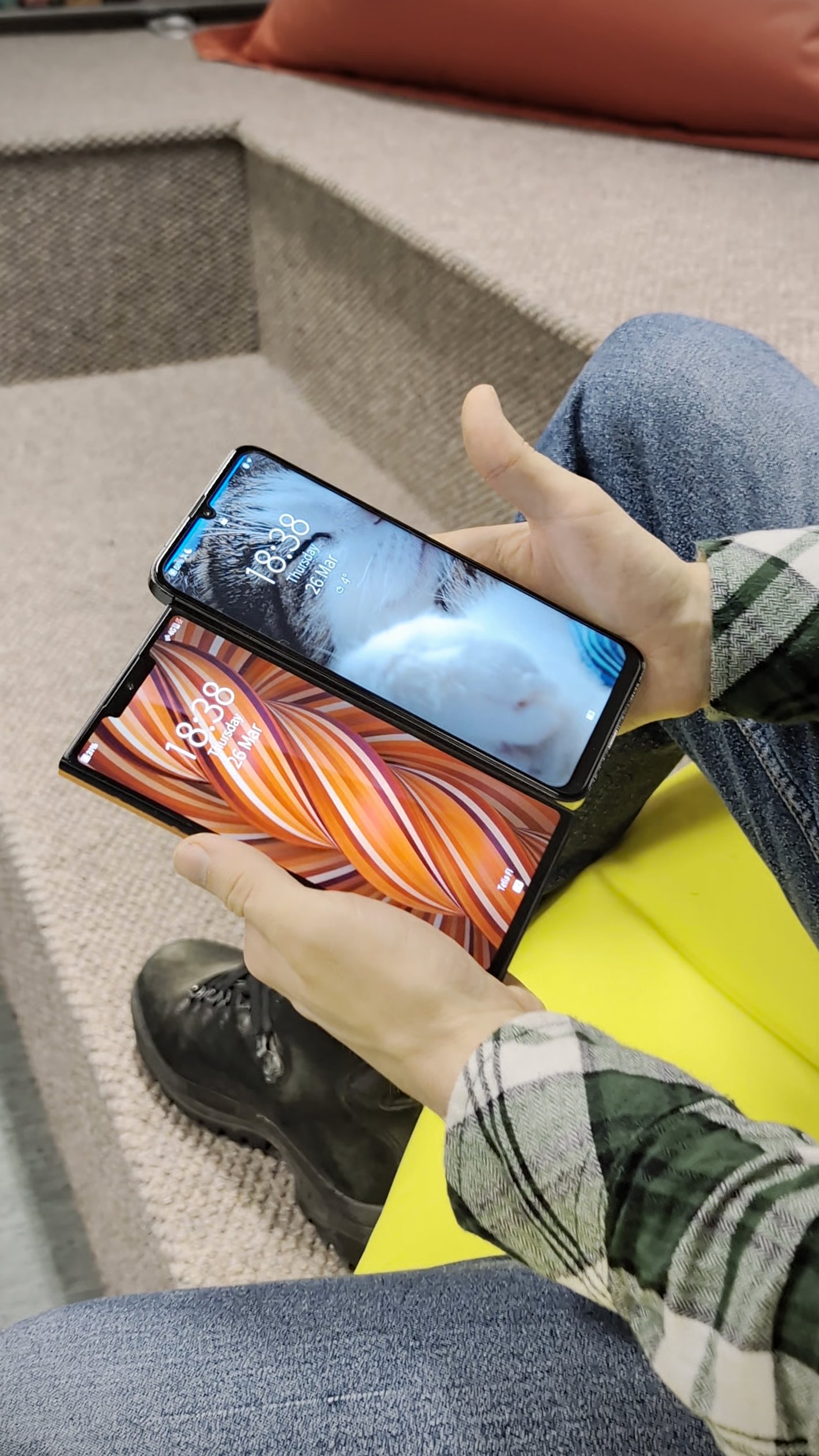
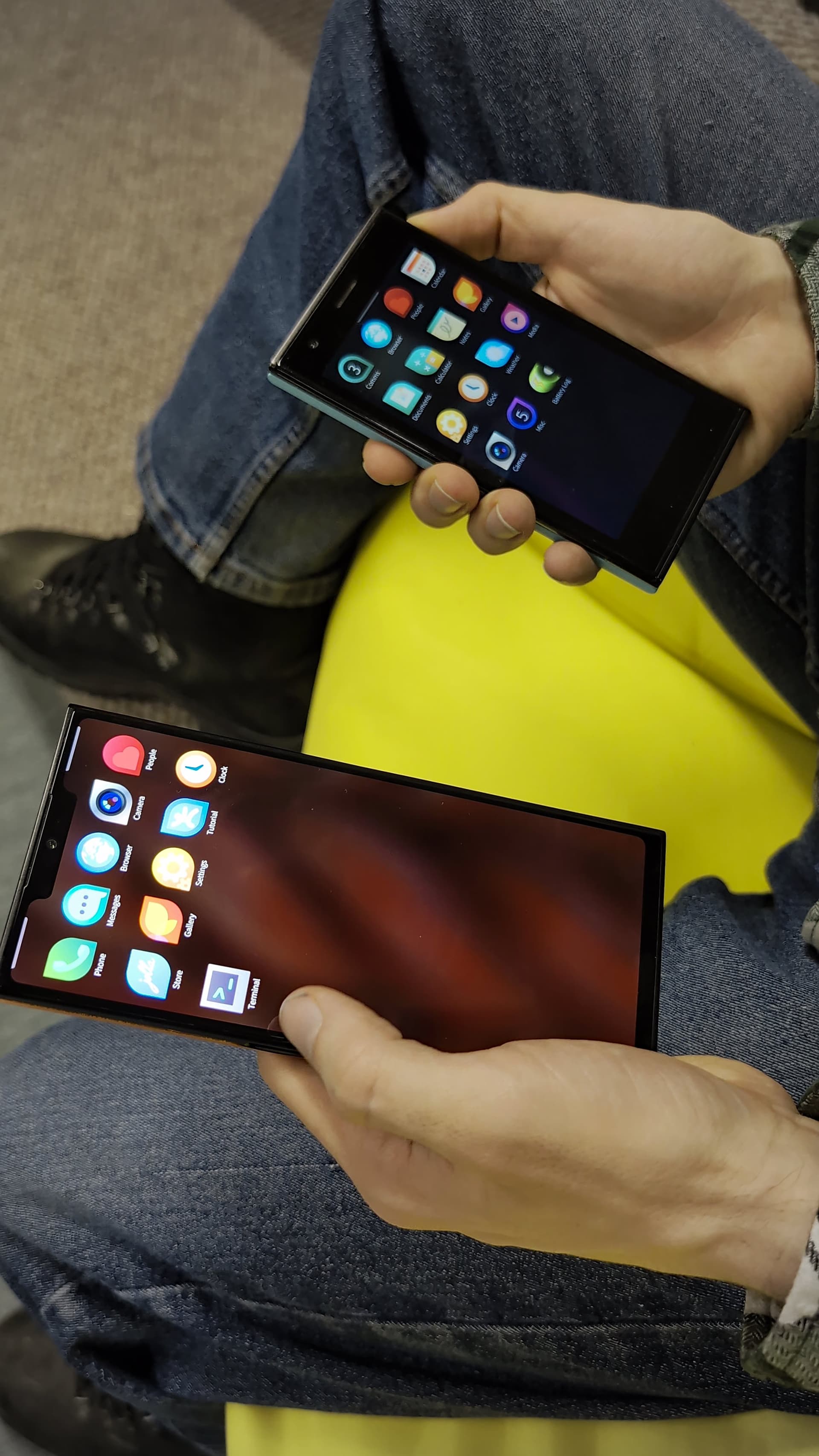
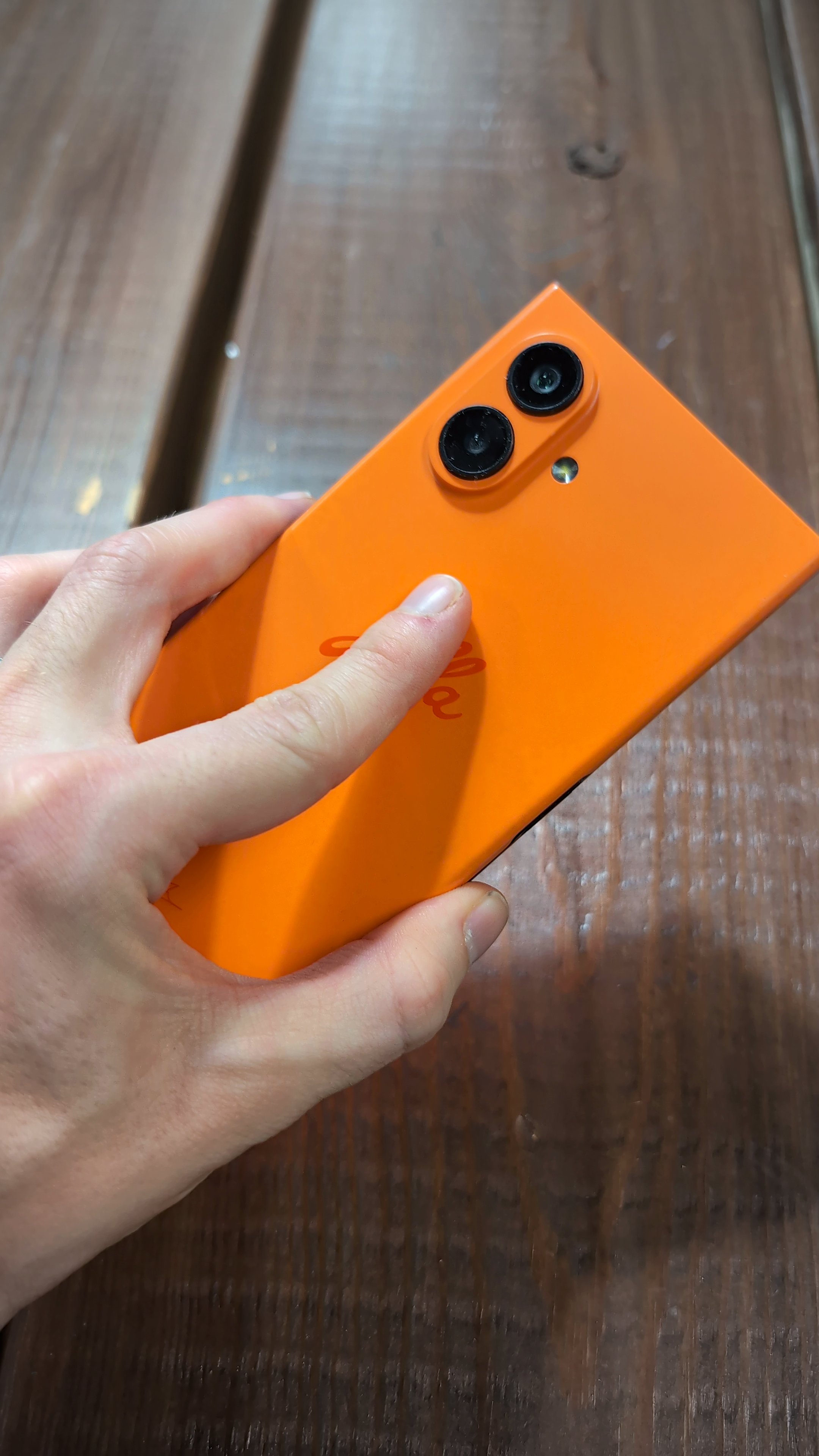
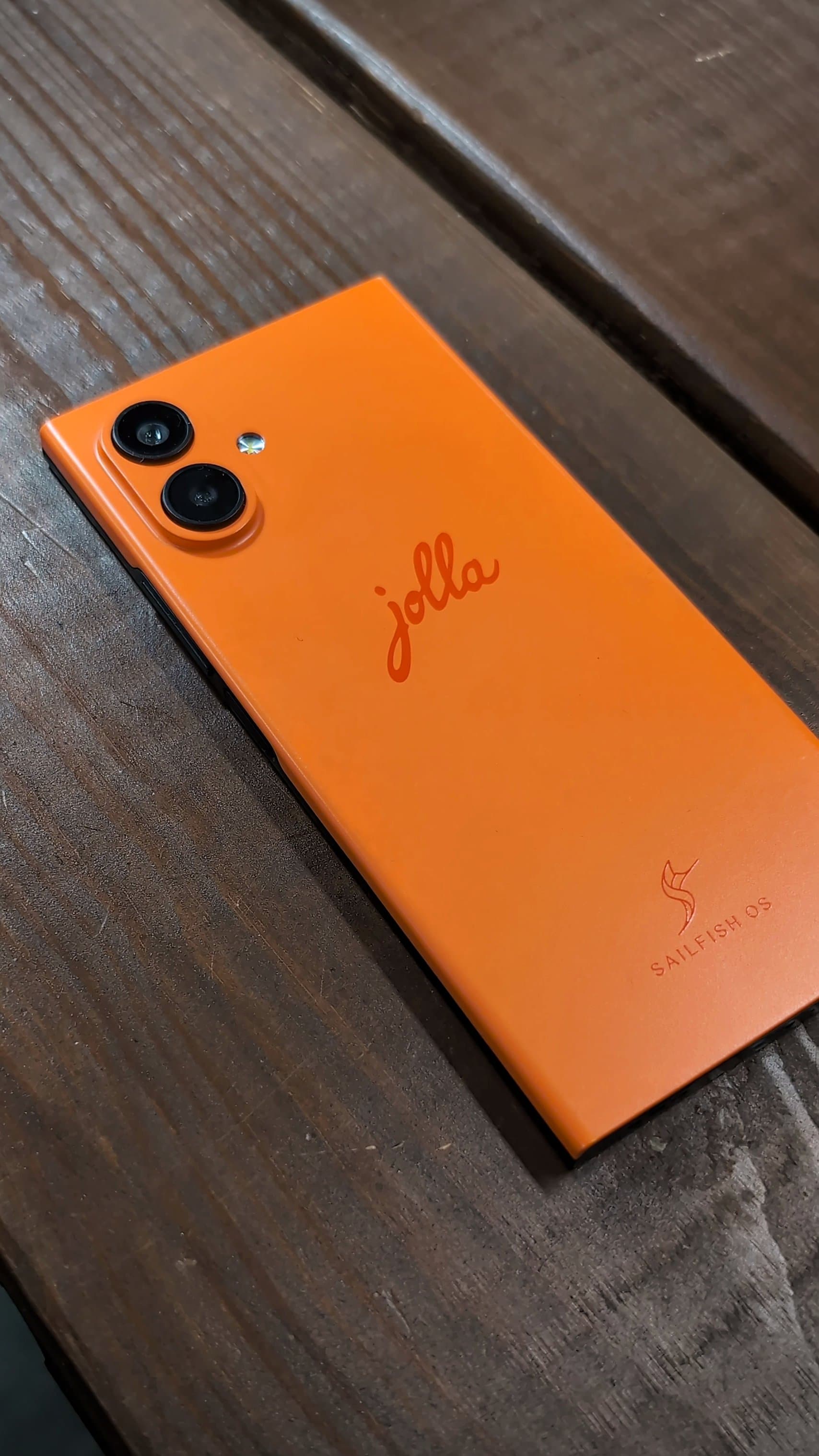
Phones put on some size after 13 years, but @cybette mentioned it [1] “fits well” in her hands in her review and I agree with her. Above are a couple images, one comparing against the C2 and another against my original Jolla Phone. Between it being smaller (thinner and shorter) than the C2 and the plastic TOH2, it feels really lightweight. It has good weight distribution, I didn’t feel like there was any part of it that was unbalanced. Its weight honestly feels closer to the original Jolla than the C2, though I didn’t get out a scale to actually weigh them.
Design and Build
I’m happy that it has a squared off design and plastic back. It made it much easier to hold but at no point did it feel like it was digging into my hands. It also didn’t feel slippery, unlike the C2, which I think comes down to the squared off edges and the matte plastic back. There’s no insane camera plateau either. The rear camera isn’t obtrusive like on most modern phones, which contributes to that clean, balanced feel.
The power button is recessed, making it harder to accidentally trigger it if it’s in your pocket. The volume rocker and privacy switch are subtly raised. Overall, I think that implementation is a good design decision.
On my C2, I found myself easily triggering the power button when picking it up from my desk even just to put it in my pocket (thumb and middle finger in the center of the body). So the power button being recessed, I’m especially happy about that.
Privacy Switch
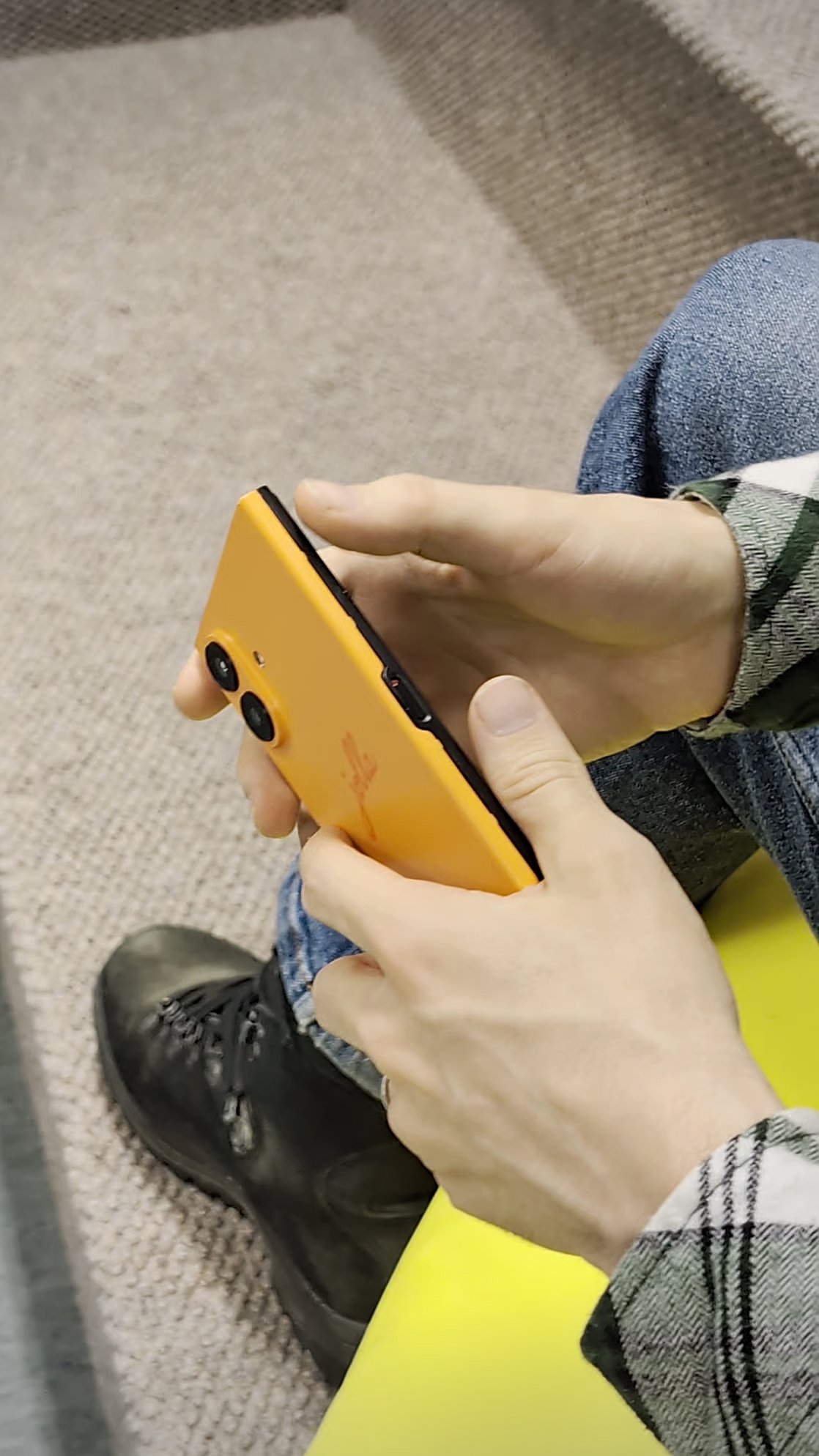
For the privacy switch, I was originally concerned about the fact that the surface of the switch is smooth. It’s hard to change its state and you kinda need a bit of a fingernail to move it back and forth.
I asked Sami about why a texture wasn’t added, and he mentioned it was intentional as if you put it in your pocket and it was textured, it could possibly dig into the lining of the pocket and accidentally change its state. If you have it set to toggle airplane mode or AppSupport and you really need it, don’t notice you turned it off, etc. well that makes for a bad user experience. I think that’s a pretty reasonable explanation.
Even though it gets into tolerances (a section below), I will say the switches felt firm (no wiggling) and that is especially true for the privacy switch. I don’t see that switch changing state unless you really want it to, especially as they improve tolerances.
Under the TOH2
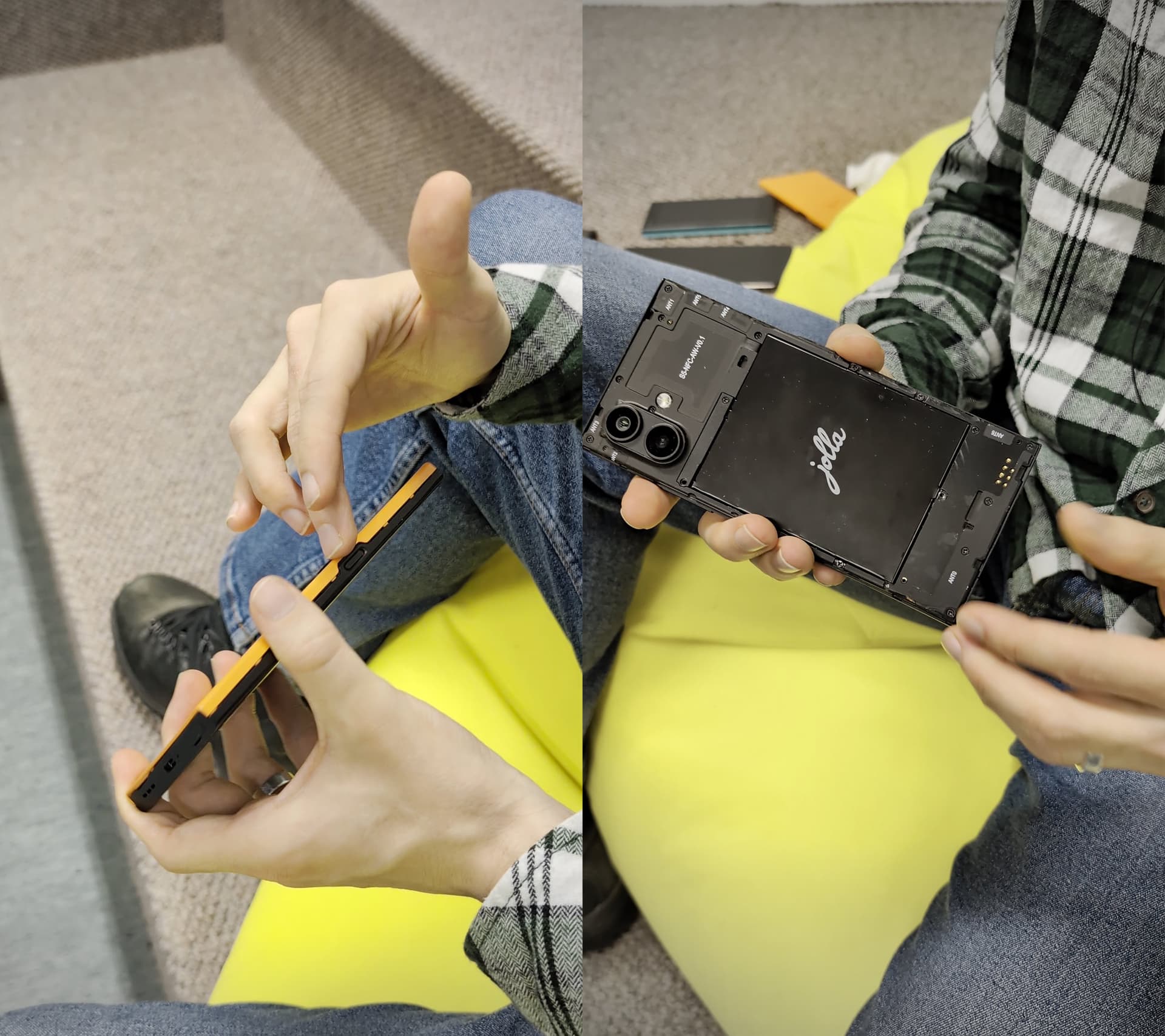
Popping off the back is easier than on the original Jolla Phone. There’s a small indent in the half that gives you something to pry against, and the tabs that hold it in place don’t feel fragile.
Underneath, you’ve got the battery with the Jolla logo front and center, and the pogo pins on the side for the TOH2 system. I’m really looking forward to learning more about TOH2 plus all the community creations around it!
Display
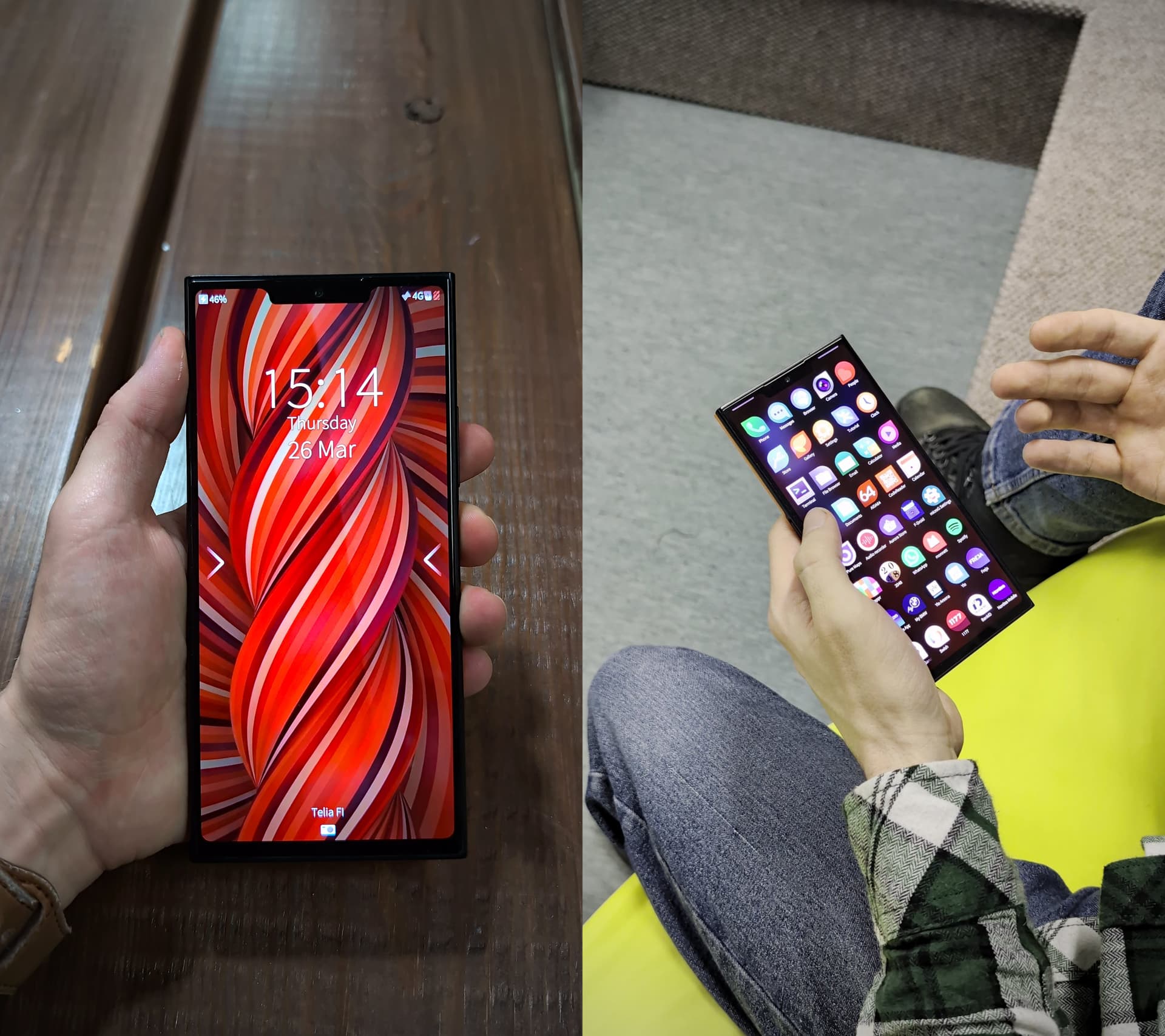
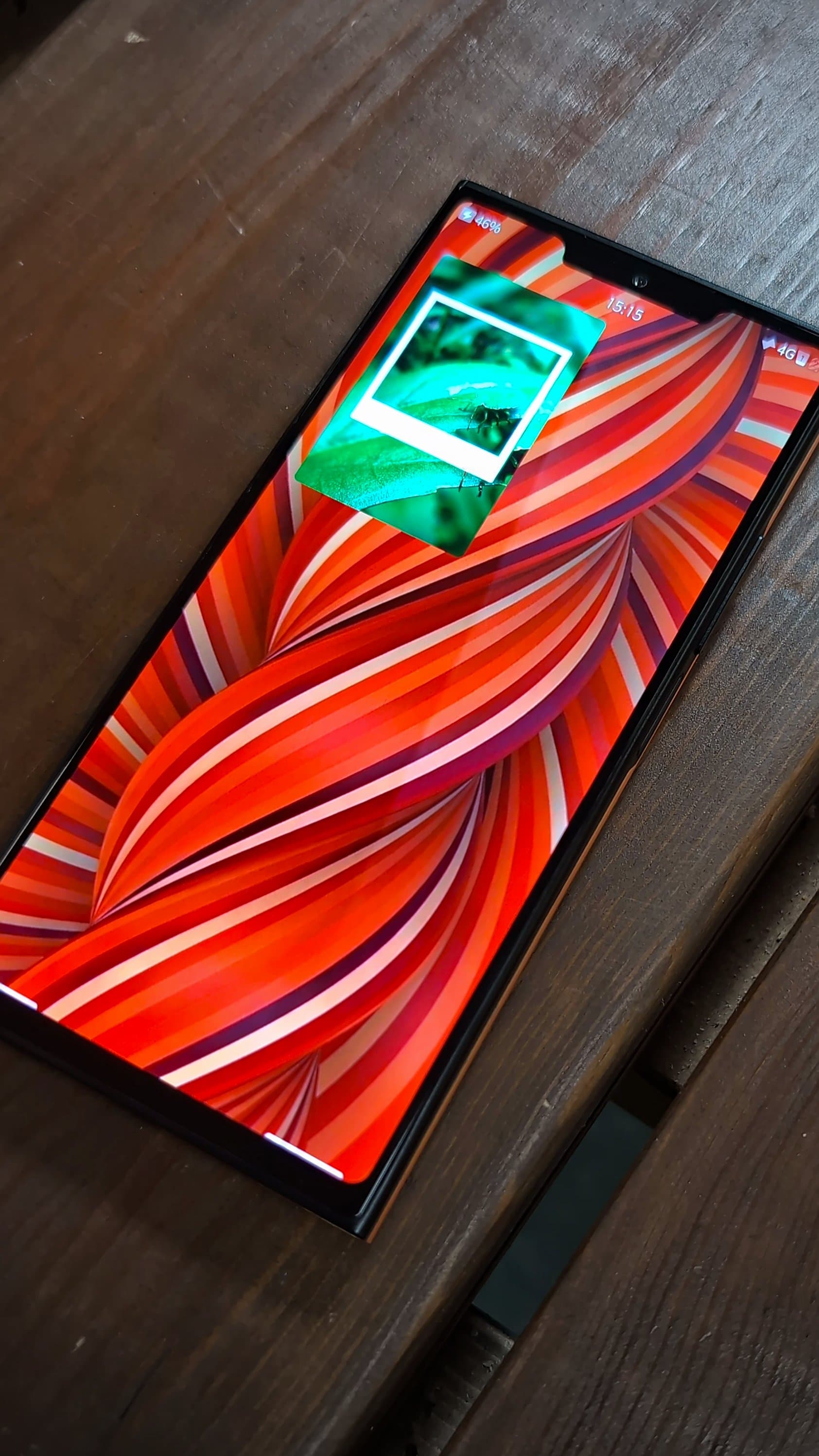
(Pardon the not perfectly sharp image. I assure you, it was very sharp.)
The screen is just simply stellar. Honestly it kinda makes me frustrated looking at all my other devices now that I’ve experienced the one on the new Jolla Phone. A real 10/10. It gets very bright (it blew out the exposure – on the Pixel mind you – while we were filming and trying to compare it to the original Jolla Phone), so I don’t see it being an issue using it in the sun. The colors are vibrant, the blacks are pitch black. I mean, it is an AMOLED so you’d expect that, but it puts everything else to shame.
Content is going to look very good on this, whether you’re watching a movie on a long-haul flight, reading, etc. All of the Sailfish UX and apps that you know and love are going to look even better.
The 20:9 aspect ratio is something I’m now impatiently waiting as well, and I think it was an excellent choice.
I didn’t notice the notch at all. It’s just “that area that has the top bar”. Pretty used to it whether it’s my work-issued Macbook Pro, hole-punch on the C2, dummy thicc notch on my old iPhone, etc. Sure, it’s technically there, but you’ll be so focused on everything else you’re not going to think anything of it to be honest.
Tolerances
As I already mentioned, the hardware I got to hold (2 of them out of 9 total!) were CNC samples. I’m not an engineer, so I won’t pretend to know the end-to-end process. Someone way smarter than me in that regard can explain it in the comments, but these are reasonable approximations to the hardware itself, but with looser tolerances and being literally built by hand. Like…I’m pretty sure I saw some melted down plastics to get something to fit! It’s still going to go through iterations before they start manufacturing.
These “tolerances” were noticeable only on TOH2 (The Other Half 2) clips. There are several around the sides and they didn’t properly seat in easily. They were close and I’m sure if I forced it then it would’ve came together…but it was one of the two units I was looking at so I wasn’t going to take any chances.
However from my use, I’m not concerned at all about tolerances. I’m confident it’ll get ironed out, so I’m not really going to focus on it much further.
Unknowns
Battery Life
Since I couldn’t test it overnight (not a proper review), I can’t speak to the battery life.
What I can say is it was maybe 80% charged when I first saw it in the early morning (around 10:00 or so) and it was sitting at 12% by around 20:00. The screen was at 100% brightness the entire time, it was typically running several Android and native apps for various footage I was trying to capture (typically anywhere from 4 to 6 apps), and hours of screen on-time.
In real world conditions, I would have it set to auto brightness, I wouldn’t be glued to the screen that much, and I wouldn’t be running all those apps. So I could see it exceeding all day.
Not that it especially matters because it does have a removable battery, but YMMV. I’d still personally keep my normal charging habits.
Software
We all know Sailfish, so I won’t bore you with any of those details. A couple fun things to note about this (and please, do keep in mind that this is software running on two of nine actual CNC sample units):
Camera
The camera WORKS. Yes…before the phone even launched. That includes video! They’re taking away my ability to file a bug report and wait months for things to get working like on the C2, that isn’t fair at all. They could do with investing in some computational photography, but it’s serviceable OOTB.
Refresh Rate
Apparently it (not sure if it was the rendering or the display itself) was running at 60hz on the units I tested. It genuinely felt as smooth as the 90hz on my Pixel. I only found this out during dinner with Sami and Raine. Either some sort of sorcery or they’re trolling me, I’m not sure which one. But if it’s true that it was running at 60hz with the display itself actually being capable of 90hz, the Sailfish OS experience is going to be incredible.
[1] My first impression of the Jolla Phone appearance models
